You already know your customers live on WhatsApp.
The real question is whether you keep treating it like a basic chat app or turn it into a serious revenue and support engine. WhatsApp API is what moves you from “replying manually” to running a structured, scalable communication system.
When you use it right, you cut response times, increase conversions, and keep everything compliant. That is why the decision is no longer “if” you use WhatsApp API, but “how fast” you adopt it.
Whatsapp API: Features
The normal WhatsApp or even the WhatsApp Business app is built for single‑device, one‑to‑one handling. It breaks the moment you try to manage hundreds of daily chats or multiple agents.
With WhatsApp API, you shift from a single phone to a central, API‑driven backend:
- Multiple agents can respond to the same number using your chosen inbox or CRM.
- Conversations are stored, searchable, and trackable instead of being stuck on one phone.
- You can set rules to assign chats based on language, topic, or priority.
This structure lets you handle support, sales, and operations at volume without drowning in messages or missing high‑intent leads.

How To Turn WhatsApp Into a Business Channel
When you plug WhatsApp API into your existing systems, it stops being “just messaging” and becomes a performance channel.
You can:
- Trigger order confirmations, payment alerts, and delivery updates directly from your e‑commerce or billing system.
- Nudge abandoned carts or dropped leads with personalized, timed templates.
- Send offers only to specific segments instead of blasting everyone blindly.
Because WhatsApp naturally gets much higher open and response rates than email or SMS, each of these flows has a noticeably better impact on your revenue and retention.
Benefits of Whatsapp API
Bulk Messaging Without Risking Bans
If you try to do bulk messaging from regular WhatsApp or random tools, you risk getting flagged or banned. The API gives you a structured, policy‑compliant way to send at scale.
You benefit from:
- Approved templates for marketing, utility, and transactional messages.
- Clear controls over who you message, when, and with what content.
- Transparent delivery, failure, and read metrics for every campaign.
Instead of “spammy blasts”, you run targeted, opt‑in campaigns that build trust and long‑term value.

Automation That Actually Reduces Work
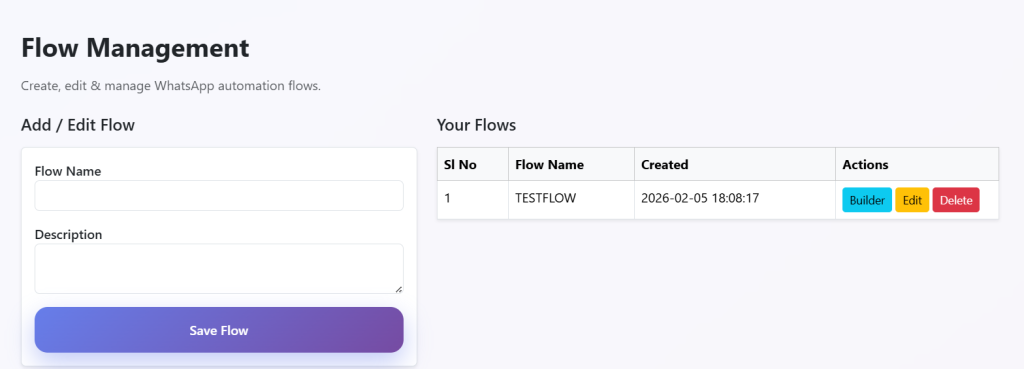
WhatsApp API is designed for automation without killing the human touch. You can let bots handle the repetitive 60–70% and keep humans for the high‑value 30–40%.
Common automations include:
- Welcome flows, FAQ responses, and menu‑based navigation.
- Lead capture flows that sync straight into your CRM.
- Intelligent routing that sends complex issues to the right agent instantly.
This reduces first‑response time drastically and gives your team breathing room to focus on serious customer issues and closing deals.
Deep Integration With Your Existing Stack
One of the strongest reasons to use WhatsApp API is how neatly it fits into the tools you already use.
You can integrate it with:
- CRMs to keep every chat tied to a contact and deal history.
- Helpdesks to track tickets, SLAs, and satisfaction in one place.
- Marketing tools to orchestrate cross‑channel campaigns, including WhatsApp.
This means your WhatsApp conversations are not isolated. They become a visible, measurable part of your overall customer journey and funnel.
Better Customer Experience at Every Stage
From a customer’s point of view, WhatsApp API usage feels like your brand is always available, organized, and respectful of their time.
You can:
- Offer one consistent number for queries, updates, and support.
- Respond quicker with context, not “Who is this?” every time.
- Keep the experience rich with images, documents, buttons, and catalogs.
Over time, customers learn that messaging you on WhatsApp actually gets things done, whether that is getting support, resolving a complaint, or confirming a purchase.
Customer expectations are only moving in one direction: faster, more personal, and more convenient. WhatsApp API is built for that future.
By adopting it early, you:
- Build internal processes around real‑time, two‑way messaging.
- Train your team and tools to handle large‑scale chat‑based operations.
- Stay ready for new features like advanced automation, payments, and richer interactions.
This is not a short‑term hack; it is a long‑term communication backbone you can keep layering features on.
FAQs
1. Is the WhatsApp API really necessary for a small or growing business?
If you handle only a handful of chats a day, the normal app may feel enough. But the moment you start running campaigns, getting daily enquiries, or using multiple agents, WhatsApp API gives you control, structure, and visibility that the app can never match.
2. How does WhatsApp API help with marketing and sales?
WhatsApp API lets you send targeted, template‑based campaigns to opted‑in users and then continue the conversation in real time when they reply. That combination of high delivery, instant replies, and end‑to‑end tracking makes it a strong channel for both lead generation and conversions.
3. Is using WhatsApp API safe and compliant for my business?
Yes, as long as you use the official API through approved routes, respect opt‑in, and follow content policies. The API is built with encryption, clear rules, and transparent reporting, which helps you stay on the right side of both platform policies and customer trust.